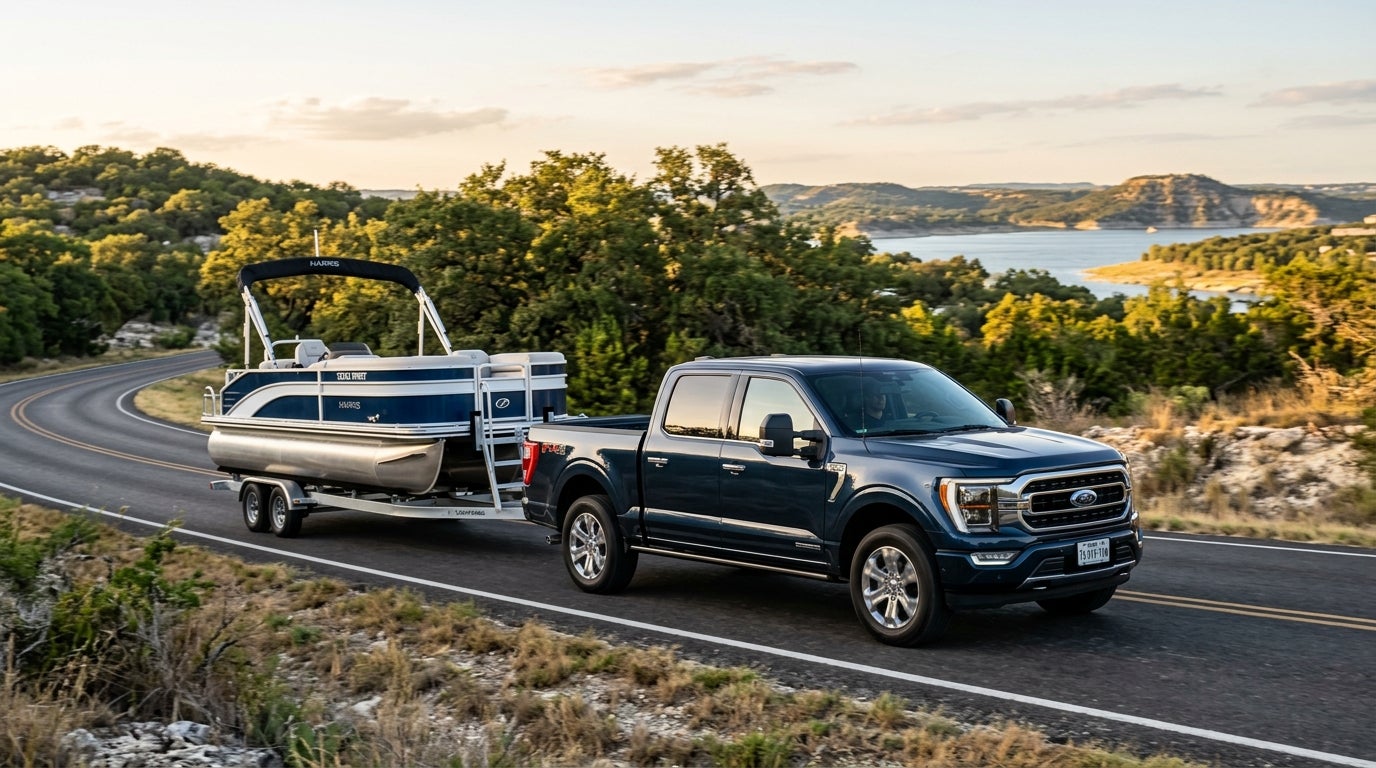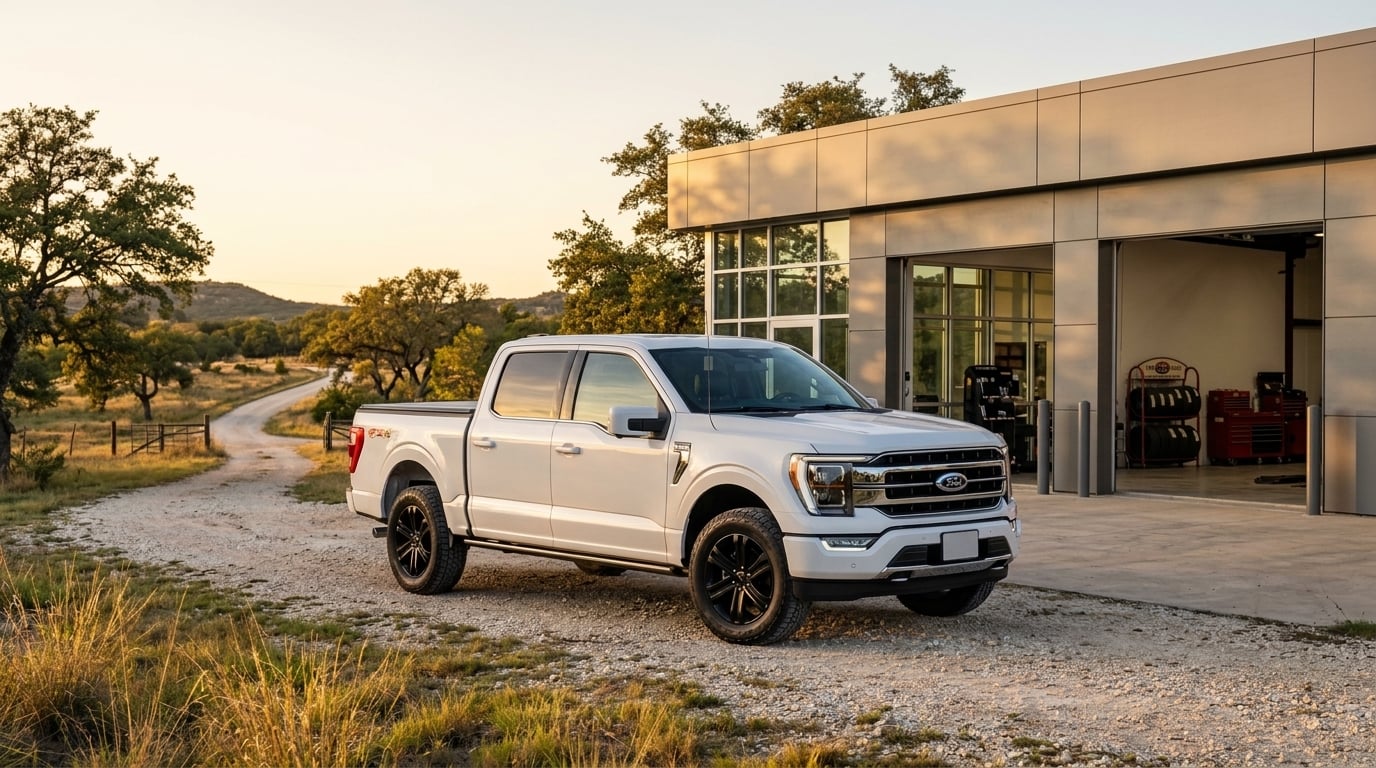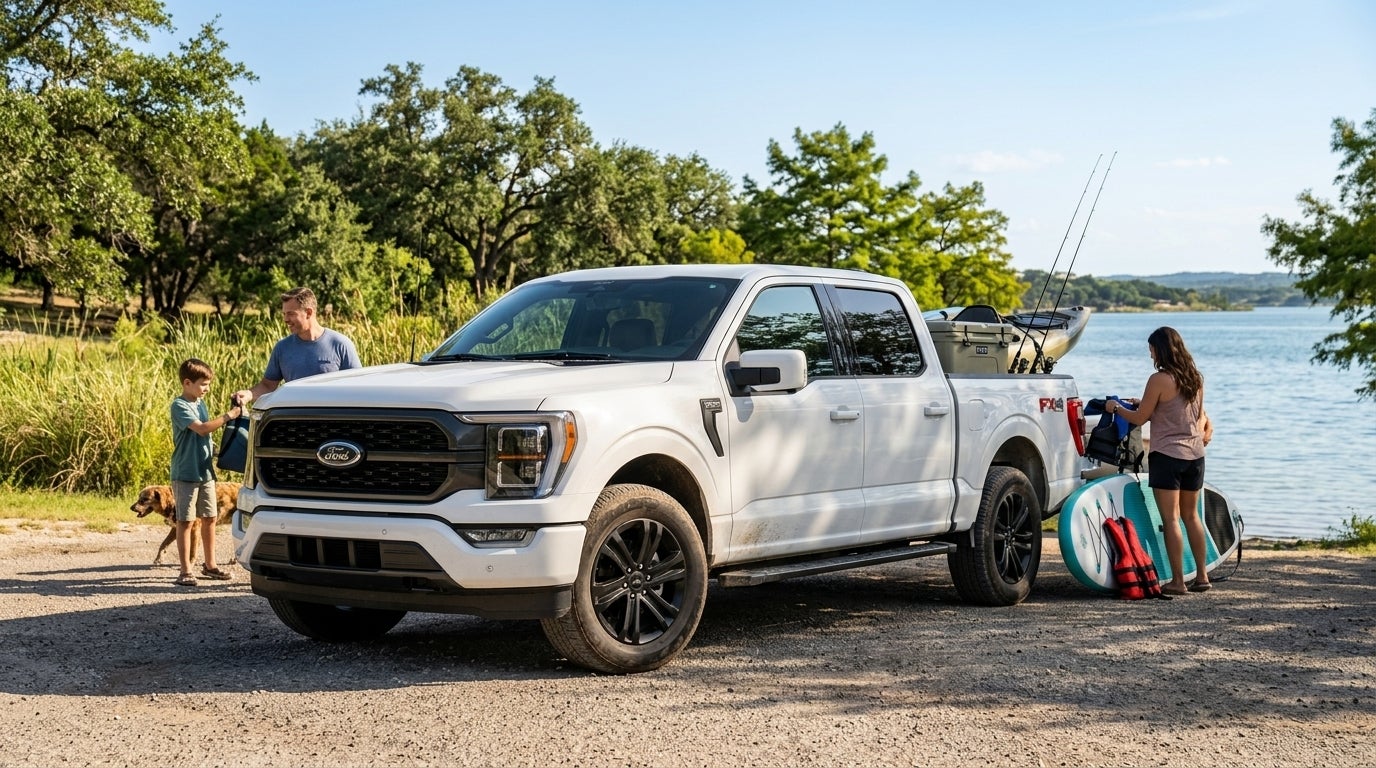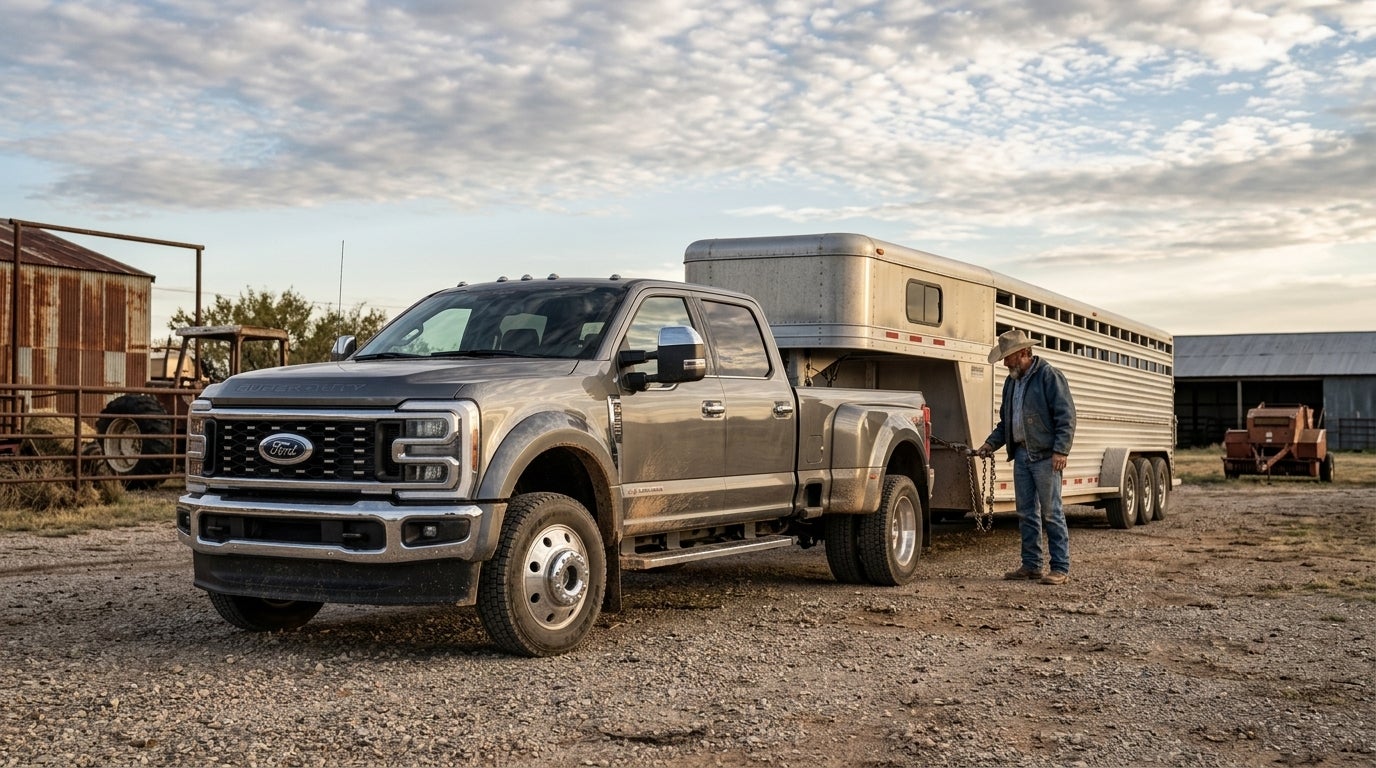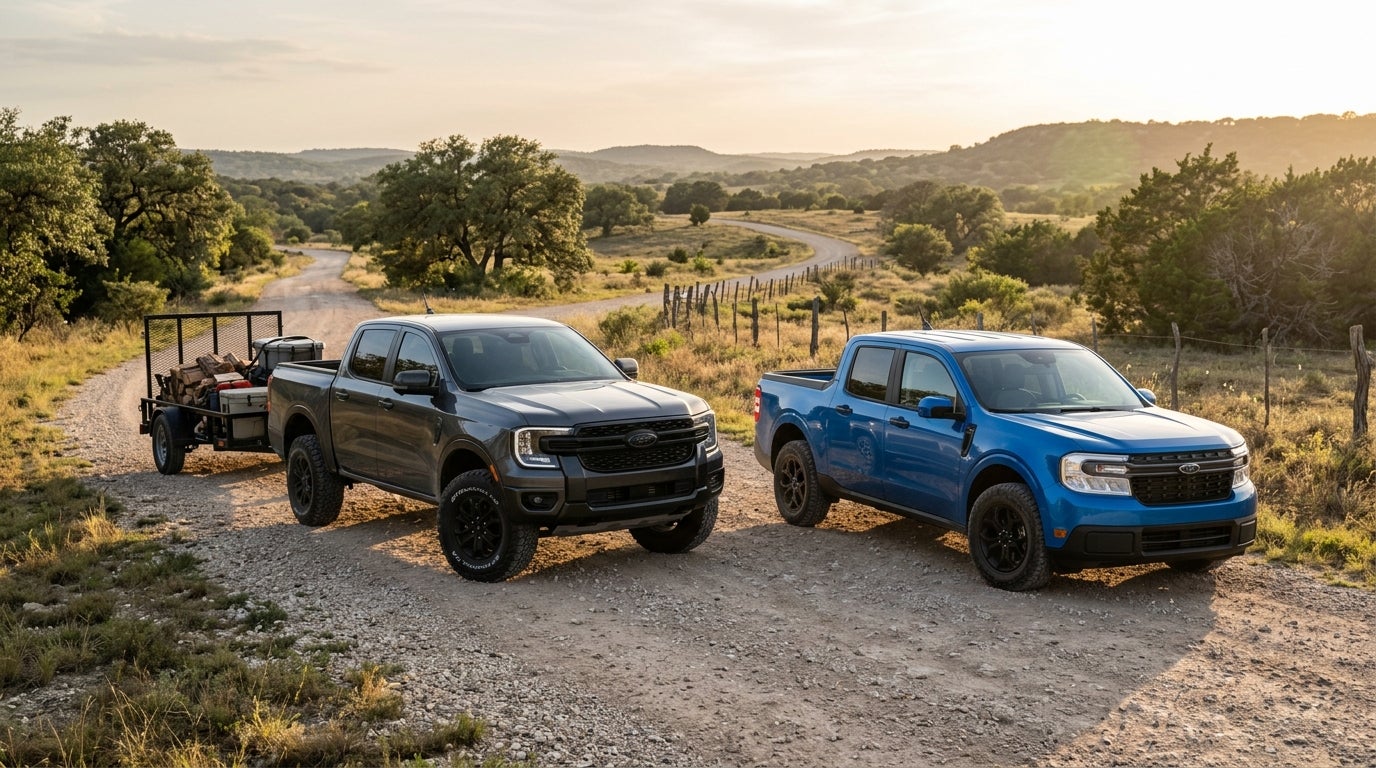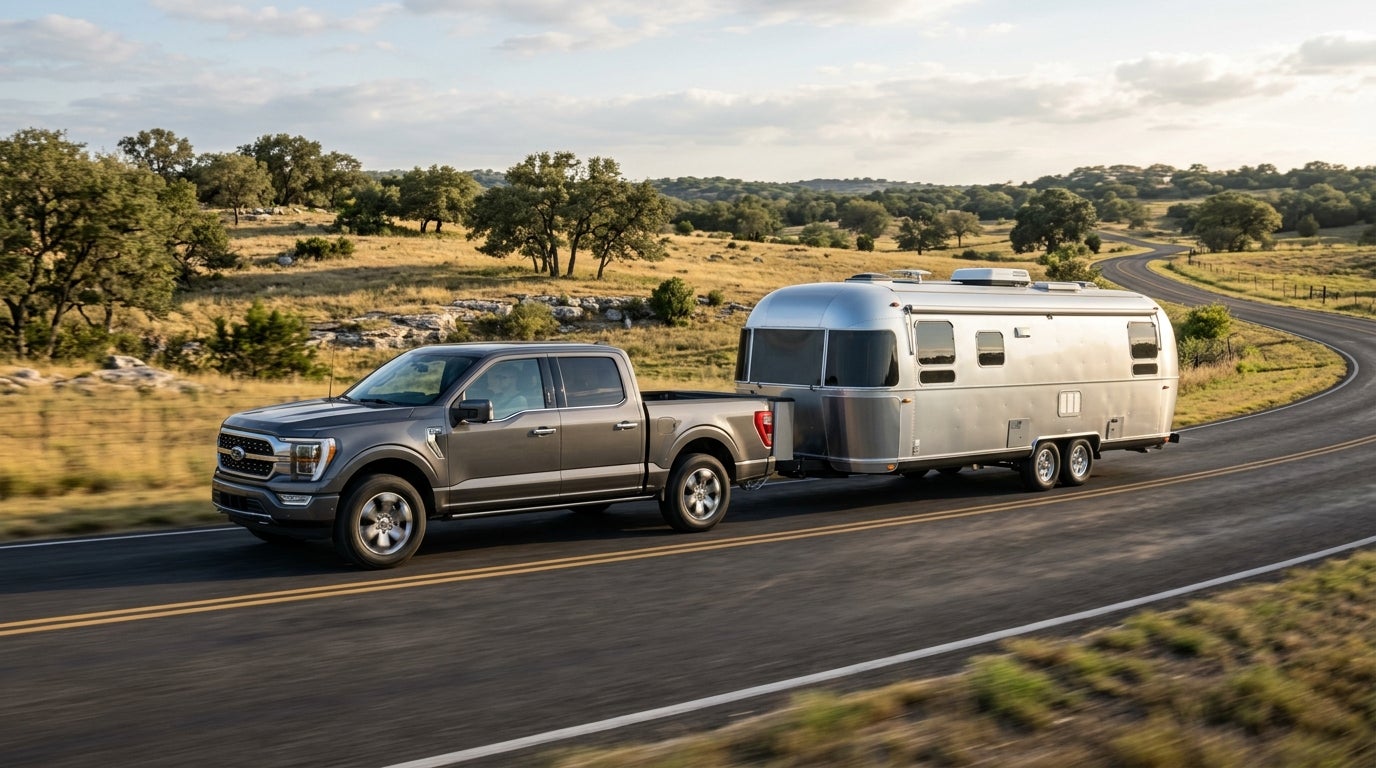

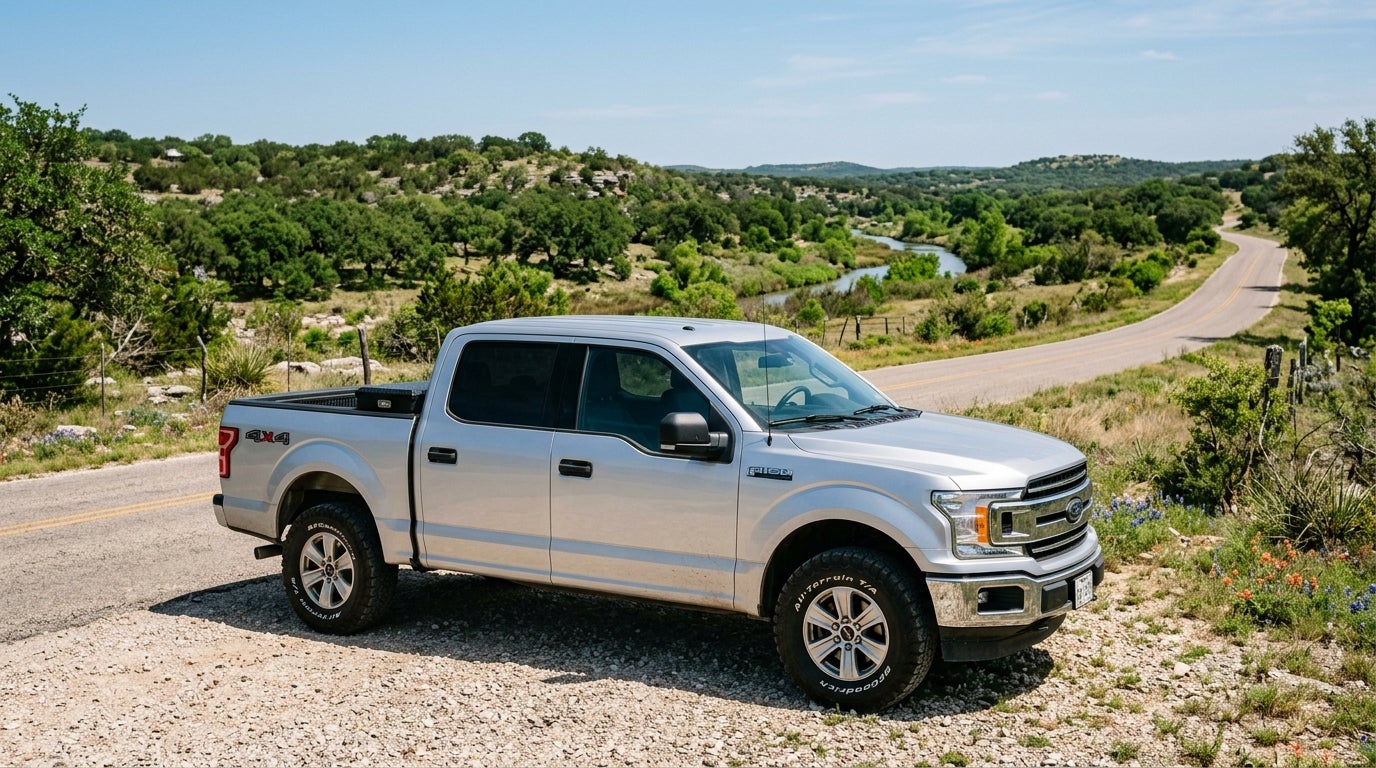
When Ford introduced twin-turbocharged direct injection to the F-Series line, it marked a turning point for modern work trucks. For decades, drivers relied on traditional V8 platforms to haul livestock and heavy equipment. The arrival of the twin-turbo V6 platform proved that a smaller displacement engine could deliver massive low-end torque while maintaining sensible efficiency during unladen highway driving. Over more than a decade of real-world service in South Texas, these powertrains have demonstrated remarkable endurance under demanding conditions. Drivers frequently ask our service department about total operational lifespan before major internal components require work. In our experience servicing local trucks, a well-cared-for twin-turbo engine routinely achieves between 150,000 miles and 200,000 miles without major mechanical breakdowns. High-mileage work trucks that adhere to strict preventative care schedules routinely pass 300,000 miles on original rotating assemblies. The long-term durability of these powerplants stems from heavy-duty engineering choices. Ford constructed these blocks to handle high cylinder pressures, addressing early timing chain wear through improved tensioner designs in later generations. Furthermore, second-generation engineering added combined port and direct fuel injection to clean intake valves naturally during operation. This continuous refinement ensures that a pre-owned truck provides dependable capability for daily farm duties around D'hanis and long highway runs alike. If you want to review vehicle history reports or discuss powertrain longevity with experienced technicians, Cecil Atkission Ford is here to guide your search. Our dealership located at 109 19th St, Hondo, TX 78861 gives truck buyers complete support throughout the ownership experience. Give our team a quick call today or get directions to our showroom to speak with our staff in person. What Is the High-Mileage Durability and Expected Lifespan of Used EcoBoost Engines? A properly maintained twin-turbocharged V6 easily reaches between 150,000 miles and 200,000 miles before requiring major component overhauls. Modern engineering improvements have pushed well-kept examples beyond the 400,000-mile mark, putting these forced-induction engines on par with traditional 5.0L V8 powertrains. The primary factor behind this high-mileage longevity is structural engineering combined with proactive maintenance routines. For drivers handling agricultural chores in D'hanis, engine durability under persistent workloads is essential. Ford engineered the 2.7L EcoBoost using a compacted graphite iron cylinder block. This high-tensile material, sourced directly from heavy-duty diesel engine construction, handles intense cylinder pressures while reducing engine weight. This foundation minimizes block flex and protects internal components during heavy acceleration and constant working conditions. Engine Generation Primary Block Material Fuel Injection System Durability Enhancement First-Gen (2011–2016 3.5L) Cast Aluminum Direct Injection High-strength forged connecting rods Second-Gen (2017+ 3.5L) Cast Aluminum Port & Direct Injection Dual timing chains and updated tensioners First/Second-Gen (2.7L) Compacted Graphite Iron Port & Direct (2018+) Upper block architecture derived from diesel specs Mechanical updates introduced in 2017 further extended engine service life. Ford introduced a dual injection strategy that combines high-pressure direct injection with low-pressure port fuel injection. The port injectors spray gasoline across the intake valve stems, dissolving combustion deposits that previously affected early direct-injection designs. Engine designers also replaced single primary timing chains with heavy-duty dual-chain setups driven by upgraded tensioners, reducing valvetrain wear over extended mileage. Whether reviewing our current pre-owned truck inventory, comparing high-mileage options in our certified pre-owned Ford inventory, or researching new Ford truck models for baseline performance metrics, understanding these mechanical milestones simplifies pre-owned truck shopping. Knowing which model years feature these structural updates ensures long-term dependability for everyday work and family needs. Which Powertrain Fits Your Workload: Comparing 3.5L and 2.7L EcoBoost Performance Choosing between the 2.7L EcoBoost V6 and the 3.5L EcoBoost V6 comes down to how you plan to use your truck on a daily basis. Ford engineered the smaller 2.7L EcoBoost from a clean sheet specifically for turbocharged operation. Utilizing a compacted graphite iron block—the same high-strength material used in Super Duty diesel engines—this engine yields 325 hp and 375 lb-ft of torque in its early configurations. It serves as an agile powerplant for daily driving, light hauling, and navigating country roads around D'hanis without sacrificing responsiveness. For heavier workloads, the 3.5L EcoBoost remains the muscular centerpiece of the light-duty truck lineup. Its larger displacement delivers higher low-end torque, making it the preferred option for pulling multi-horse trailers or heavy agricultural equipment. When reviewing pre-owned inventory, target second-generation engines from the 2017 model year onward. These revised powerplants feature dual port-fuel and direct-injection systems. By spraying fuel across the back of the intake valves, port injection eliminates the carbon accumulation that occasionally affected early direct-injection turbo setups. Matching the engine layout to your routine task list ensures you get optimal output without paying for unnecessary capacity. While many local drivers visit our showroom seeking pre-owned pickup trucks, others shop for versatile commuter cars or used sports coupes to handle daily highway travel. Whatever vehicle style matches your family's needs, starting the process with an online credit application helps organize your budget before taking a test drive. How Much Can You Tow with a Used Twin-Turbo V6 F-150? When pulling heavy equipment, livestock trailers, or construction gear, understanding the working limits of Ford twin-turbo V6 engines helps you select the correct pre-owned pickup configuration. The flagship 3.5L EcoBoost V6 serves as the heavy-hauling benchmark in the light-duty truck segment. When configured with appropriate rear axle ratios and factory trailering equipment, late-model pre-owned F-150 trucks equipped with the 3.5-liter engine achieve maximum conventional towing capacities topping 13,000 pounds. This pulling power stems from strong low-end torque delivery, reaching peak torque early in the rev range to get heavy payloads moving efficiently without straining the transmission. For drivers who do not require maximum industrial towing capacity, the 2.7L EcoBoost V6 delivers reliable utility for everyday tasks and weekend recreational trips. Pre-owned models equipped with the 2.7-liter engine offer maximum tow ratings around 8,400 pounds when properly outfitted. This capacity comfortably handles dual-axle utility trailers, light farm equipment, or recreation craft. Families heading out to Medina Lake from Lakehills can pull a pontoon boat or travel trailer with confidence, enjoying stable highway tracking and responsive throttle control. Achieving these published towing limits depends on the specific hardware installed on each pre-owned truck. Variables including axle ratios, cab style, bed length, and the presence of factory options like the Max Trailer Tow Package directly impact overall trailering limits. Continuous heavy hauling puts extra thermal stress on engine oil, cooling systems, and transmission fluid. If you plan to haul near maximum capacity regularly, keeping up with fluid changes and cooling hardware inspections protects internal engine components. Owners maintaining high-mileage work trucks often order original OEM components through our service team to replace wear items like auxiliary coolers and heavy-duty brake pads, ensuring dependable performance season after season. What Fuel Economy Can You Expect from Used EcoBoost Trucks? Real-world efficiency in a pre-owned truck depends on driving habits, terrain, and how often the turbochargers engage. On paper, EPA estimates give a solid baseline, but daily highway driving across South Texas reveals a clearer picture of fuel economy for twin-turbo V6 powertrains. The 2.7L EcoBoost V6 typically delivers the highest efficiency among pre-owned configurations. In mixed driving conditions, owners frequently report averages around 21 mpg combined. On open stretches, steady cruising speeds allow the engine to operate without generating excess boost, keeping fuel consumption low. For commuters traveling near Lakehills, this smaller displacement engine provides an ideal balance between everyday fuel savings and responsive passing power. By comparison, the larger 3.5L EcoBoost V6 generally averages close to 18 mpg in combined driving. The additional horsepower and torque require more fuel under load, especially when pulling a trailer or carrying heavy bed loads. When turbos build boost to move heavier weights, fuel consumption increases as the engine management system enriches the fuel mixture to protect internal components and maintain power output. To put these numbers in perspective, naturally aspirated options like the 5.0L V8 carry EPA ratings around 19 city / 24 hwy mpg in standard trims like the XL. While EcoBoost V6 engines match or exceed those highway figures during steady cruising, heavy loads alter fuel economy rapidly. Drivers who regularly pull massive agricultural equipment or multi-car haulers might prioritize raw pulling power over fuel economy, making New Ford Heavy Duty Trucks a more practical fit for continuous maximum-capacity tasks. Keeping up with basic maintenance helps preserve factory fuel economy numbers over the life of the vehicle. Fresh engine air filters, properly inflated tires, and clean synthetic motor oil allow turbochargers to operate at optimal efficiency without wasting fuel. What Maintenance Habits Keep a Pre-Owned EcoBoost F-150 Running Strong? Rigorous routine service remains the single most critical factor in maximizing the service life of a turbocharged engine. While standard factory monitors allow longer oil change intervals under light driving conditions, technicians who work on forced-induction powerplants regularly advocate for replacing engine oil every 5,000 miles. Utilizing premium full-synthetic motor oil prevents high heat near turbine shafts from breaking down fluid, which protects oil feed lines against internal carbon deposits and preserves dual-turbocharger bearings over years of heavy operation. Ignition component care requires equal attention on twin-turbo engines. Cylinder pressures run higher inside EcoBoost engine blocks than in naturally aspirated V8 designs, causing spark plugs to wear down faster. Replacing spark plugs every 30,000 to 45,000 miles helps preserve proper gap spacing, preventing engine misfires and guarding ignition coils against unnecessary electrical stress during heavy acceleration or heavy hauling across rural livestock operations in D'hanis. Cooling circuit integrity also plays a primary role in keeping intake air temperatures under control during hot summer months. Flushing thermal fluid according to recommended intervals, verifying intercooler cleanliness, and inspecting rubber coolant lines helps ensure consistent power delivery without thermal throttle reduction. When evaluating maintenance records on a candidate vehicle, consistent oil service logs and cooling system updates indicate a well-maintained truck ready for demanding daily tasks. Drivers searching through our All Pre-Owned Trucks can rely on our factory-trained service technicians to inspect every vehicle before it reaches the lot. If you have questions regarding past service history or want to evaluate a specific truck in person, stop by Get Directions to Cecil Atkission Ford at 109 19th St, Hondo, TX 78861 or give our service department a call at (830) 426-5391 to speak with our staff today. © 2026 Cecil Atkission Ford. All rights reserved. { "@context": "https://schema.org", "@graph": [ { "@type": "NewsArticle", "@id": "#article", "headline": "The Legacy of Ford EcoBoost Engines in Used F-150 Trucks", "datePublished": "2026-09-18T19:19:19.378Z", "dateModified": "2026-09-18T19:20:44.361Z", "author": { "@id": "#author" }, "publisher": { "@id": "#dealer" }, "wordCount": 1764, "description": "Used Ford F-150 EcoBoost engines routinely reach 150,000 to over 300,000 miles. Explore how twin-turbo V6 engineering delivers long-term durability." }, { "@type": "AutoDealer", "@id": "#dealer", "name": "Cecil Atkission Ford", "url": "https://www.cecilhondo.com", "telephone": "+18304265391", "sameAs": [ "https://maps.google.com/?cid=10475600556090554418" ], "address": { "@type": "PostalAddress", "streetAddress": "109 19th St", "addressLocality": "Hondo", "addressRegion": "TX", "postalCode": "78861", "addressCountry": "US" }, "areaServed": { "@type": "GeoCircle", "geoMidpoint": { "@type": "GeoCoordinates", "latitude": "29.3471817", "longitude": "-99.1281447" }, "geoRadius": "48280" }, "geo": { "@type": "GeoCoordinates", "latitude": "29.3471817", "longitude": "-99.1281447" }, "openingHours": [ "Mo 08:00-18:00", "Tu 08:00-18:00", "We 08:00-18:00", "Th 08:00-18:00", "Fr 08:00-18:00", "Sa 09:00-16:00" ] }, { "@type": "FAQPage", "@id": "#faq", "mainEntity": [ { "@type": "Question", "name": "How Long Do Used Ford F-150 EcoBoost Engines Last?", "acceptedAnswer": { "@type": "Answer", "text": "In our experience servicing local trucks, a well-cared-for twin-turbo engine routinely achieves between 150,000 miles and 200,000 miles without major mechanical breakdowns. High-mileage work trucks that adhere to strict preventative care schedules routinely pass 300,000 miles on original rotating assemblies." } }, { "@type": "Question", "name": "What Is the High-Mileage Durability and Expected Lifespan of Used EcoBoost Engines?", "acceptedAnswer": { "@type": "Answer", "text": "A properly maintained twin-turbocharged V6 easily reaches between 150,000 miles and 200,000 miles before requiring major component overhauls. Modern engineering improvements have pushed well-kept examples beyond the 400,000-mile mark, putting these forced-induction engines on par with traditional 5.0L V8 powertrains. The primary factor behind this high-mileage longevity is structural engineering combined with proactive maintenance routines." } }, { "@type": "Question", "name": "How Much Can You Tow with a Used Twin-Turbo V6 F-150?", "acceptedAnswer": { "@type": "Answer", "text": "When pulling heavy equipment, livestock trailers, or construction gear, understanding the working limits of Ford twin-turbo V6 engines helps you select the correct pre-owned pickup configuration. The flagship 3.5L EcoBoost V6 serves as the heavy-hauling benchmark in the light-duty truck segment. When configured with appropriate rear axle ratios and factory trailering equipment, late-model pre-owned F-150 trucks equipped with the 3.5-liter engine achieve maximum conventional towing capacities topping 13,000 pounds." } }, { "@type": "Question", "name": "What Fuel Economy Can You Expect from Used EcoBoost Trucks?", "acceptedAnswer": { "@type": "Answer", "text": "Real-world efficiency in a pre-owned truck depends on driving habits, terrain, and how often the turbochargers engage. On paper, EPA estimates give a solid baseline, but daily highway driving across South Texas reveals a clearer picture of fuel economy for twin-turbo V6 powertrains. The 2.7L EcoBoost V6 typically delivers the highest efficiency among pre-owned configurations. In mixed driving conditions, owners frequently report averages around 21 mpg combined." } }, { "@type": "Question", "name": "What Maintenance Habits Keep a Pre-Owned EcoBoost F-150 Running Strong?", "acceptedAnswer": { "@type": "Answer", "text": "Rigorous routine service remains the single most critical factor in maximizing the service life of a turbocharged engine. While standard factory monitors allow longer oil change intervals under light driving conditions, technicians who work on forced-induction powerplants regularly advocate for replacing engine oil every 5,000 miles." } } ] } ] }
The Birth of a Western Icon: Origins of the King Ranch Partnership
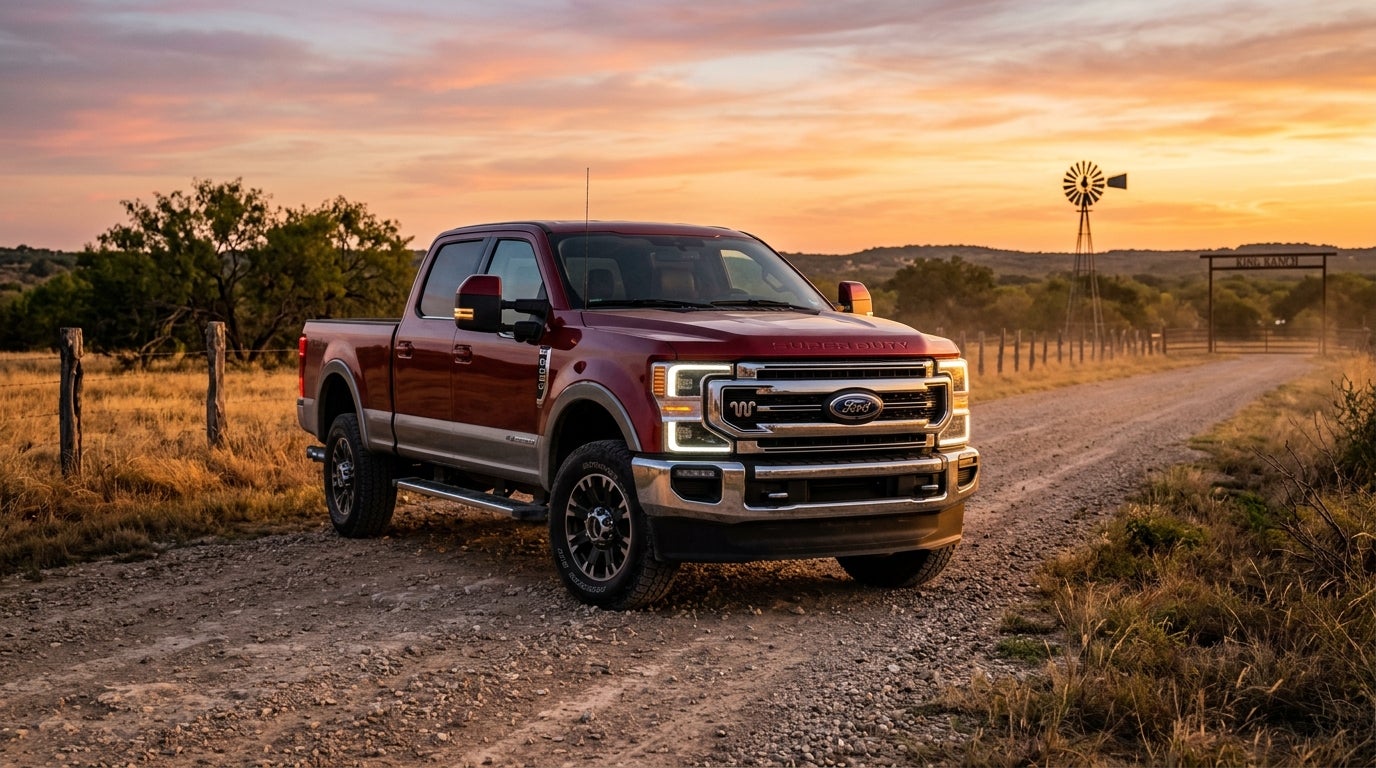
The Ford F-250 King Ranch officially joined the Super Duty lineup for the 2003 model year, establishing an entirely new standard for heavy-duty luxury. Early models paired unmistakable Western styling with serious 3/4-ton capability, featuring signature two-tone exterior paint schemes—often accented with Arizona Beige lower body trim—and warm saddle-leather seating. Throughout the mid-2000s, Ford enhanced the lineup by adding illuminated running boards stamped with the Running W emblem alongside custom woodgrain interior accents. Ranchers and business owners working around Dunlay quickly recognized that these first-generation trucks offered genuine utility wrapped in legendary Texas tradition. The 2011 redesign brought substantial engineering advancements alongside modern cabin upgrades. This era introduced the groundbreaking 6.7L Power Stroke V8 Turbo Diesel engine, providing the massive low-end torque required for pulling heavy livestock trailers and agricultural machinery across long stretches of highway. Upholstery updates introduced more resilient leather seating engineered to withstand demanding daily ranch work while maintaining a luxurious appearance. Ford also integrated critical trailering hardware directly from the factory, such as integrated trailer brake controllers and high-capacity engine cooling systems built for demanding Texas summers. With the arrival of the high-strength, military-grade aluminum-alloy body redesign for 2017, the Super Duty platform entered a high-tech era. Modern iterations of the trim feature high-end functional upgrades like Power-Deployable Running Boards, multi-camera systems delivering full 360-degree views around the truck, and multi-contour front seats with active massage settings. Whether you are exploring our current inventory of new Ford trucks or admiring older models, the evolution of the F-250 King Ranch proves that heavy-duty strength and refined comfort belong together on the open road. From Analog Cabin to Digital Command: Infotainment System Evolution The interior technology inside the Ford F-250 King Ranch has transformed dramatically over the decades. Early cab layouts prioritized simple durability with traditional radio dials, physical climate controls, and basic overhead direction readouts. As the demands on heavy-duty trucks expanded beyond basic towing, dashboard design shifted steadily toward modern digital integration, converting the Western-styled cabin into a functional mobile command hub. The introduction of intelligent central displays revolutionized how drivers interact with their trucks on and off the highway. Modern iterations feature the responsive SYNC 4 platform, centered around an available 12-inch touchscreen display. This setup brings cloud-connected navigation, seamless wireless smartphone integration, and custom trailering utilities right to the center console. Ranchers overseeing agricultural operations across the open fields around D'hanis can monitor real-time weather updates, check trailer tire pressures, and check multi-angle camera views without missing a beat. In-cab entertainment saw an equally impressive upgrade over the years. Interior acoustics evolved from simple multi-disc CD units into available high-end setups like the 14-speaker B&O Unleashed Sound System. Combined with enhanced sound dampening, these acoustic refinements create a serene environment for hands-free phone calls and clear audio playback during long workdays. For shoppers considering previous model years, infotainment generation often represents the primary difference between production cycles. While earlier touchscreen generations deliver reliable basic connectivity, recent platforms add rapid processing speeds and wireless software updates. Browsing our broad All Pre-Owned Inventory allows buyers to evaluate these distinct cabin technologies firsthand and select the ideal balance of classic leather craftsmanship and digital innovation. Lariat vs. King Ranch: Deciding the Best Trim for Work and Luxury Standing in front of the Super Duty lineup, buyers often compare the Lariat and King Ranch trims to figure out which balance of utility and interior refinement fits their daily routine. Both configurations share the same heavy-duty foundation, including a high-strength steel frame and an available TorqShift 10-speed automatic transmission. However, each truck targets a distinct set of priorities out on the road or at the job site. The Lariat trim serves as a practical entry point into high-end truck ownership. It appeals to buyers who demand serious capability and modern convenience without excessive ornate details. Standard and available equipment includes leather-trimmed seating alongside advanced safety tech like the Blind Spot Information System with cross-traffic alert and trailer coverage. This trim gives small business owners and work site foremen a clean, professional vehicle that handles demanding tasks during the week while remaining comfortable for weekend travel. The King Ranch shifts focus toward a bespoke Texas aesthetic paired with premium standard features. Stepping inside reveals exclusive Kingsville or Del Rio leather upholstery displaying the historic Running W Cattle Brand stamped into the seatbacks and center console. Beyond standard aesthetic upgrades like two-tone exterior paint schemes, this trim adds executive-level amenities, including the immersive B&O Sound System by Bang & Olufsen and heated multi-contour front seats. Choosing between these two models comes down to whether your day calls for understated functionality or iconic Western style. If you are preparing to upgrade your working fleet or family tow vehicle, completing an Credit Application early in your research can streamline the buying process before visiting our showroom. Reliability, Engine Options, and Fuel Cost Considerations Evaluating a heavy-duty truck comes down to matching the powertrain to the tasks you face every day. The Ford F-250 King Ranch offers proven engine options designed for long-haul durability, severe-duty pulling, and demanding workloads across South Texas pastures. For high-mileage drivers and heavy trailering, the available 6.7L Power Stroke V8 Turbo Diesel engine delivers exceptional low-end torque. This diesel powertrain excels at pulling heavy livestock trailers, equipment loads, and big fifth-wheel campers without strain. While diesel maintenance involves routine replenishment of Diesel Exhaust Fluid and specialized filter changes, the engine's thermal efficiency during heavy hauling helps offset fuel expenses on extended trips. Paired with the heavy-duty TorqShift 10-speed automatic transmission, it delivers smooth power delivery under heavy loads. Shoppers seeking straightforward mechanical simplicity often favor the 7.3L OHV PFI Gas V8 engine. Often referred to as the "Godzilla" V8, this naturally aspirated gas engine provides substantial horsepower and strong pulling capability with lower routine maintenance requirements. It serves as an ideal option for ranch work and daily driving where maximum diesel torque is not strictly required. Choosing a gas engine reduces initial vehicle cost and simplifies regular servicing. Long-term reliability depends heavily on adherence to scheduled maintenance intervals. Using original manufacturer components for routine fluid changes, filter replacements, and brake service preserves the structural and mechanical integrity of your truck. Vehicle owners can easily Order Parts online to ensure every component meets exact factory specifications. Keeping up with routine service safeguards resale value and maintains dependable performance for years down the road. Quick Answers Before You Visit Before stopping by the lot, shoppers frequently ask about specific details regarding trim options, interior materials, and historical specs. Below are clear answers to common questions about this iconic truck line. When did Ford launch the F-250 King Ranch edition? Ford introduced the Western-themed trim to the Super Duty line for the 2003 model year. This expansion built upon the success of the initial 2001 F-150 release, bringing authentic Texas cabin styling to the heavy-duty truck segment. What type of leather distinguishes the interior upholstery? First-generation trucks featured unvarnished Castaño saddle leather that required regular conditioning and developed a distinct rich patina over time. Modern versions feature durable, fully finished hides in signature shades like Kingsville or Mesa Brown, providing long-lasting luxury that handles daily work demands. Is the King Ranch trim offered with a gas engine? Yes. While many drivers select the high-torque diesel for long-haul trailering, Ford offers gas V8 powertrains on this trim level. This flexibility lets truck buyers choose an engine that matches their routine work requirements and maintenance preferences. Can this luxury truck handle demanding job sites and off-road terrain? Built on a high-strength steel Super Duty chassis, this truck handles rugged job sites effortlessly. Adding the available FX4 Off-Road Package equips the truck with protective skid plates, tuned off-road shocks, and electronic control systems for rough trails. Shoppers who need maximum payload capacity beyond the 3/4-ton platform can check out our New Ford Heavy Duty Trucks for one-ton dual-rear-wheel capability. What visual cues set the exterior apart from other trims? Key exterior markers include iconic Running W badging on the front doors and tailgate, exclusive accent wheels, and available two-tone body paint schemes. Finding Your Next Premium Workhorse at Cecil Atkission Ford Selecting a heavy-duty pickup requires guidance from folks who understand local ranching, trailering, and practical daily utility. At Cecil Atkission Ford, our team takes immense pride in matching Texas drivers with trucks capable of managing demanding workloads while delivering high-end comfort. Built on a strong tradition of straightforward communication and community service, our dealership provides an honest, transparent buying process focused on long-term owner satisfaction. For landowners managing livestock across agricultural property in D'hanis or drivers hitching up heavy equipment for daily job sites, choosing the right Super Duty setup ensures your truck easily handles your workload. Our knowledgeable team helps you evaluate cabin features, advanced trailering tech, and powertrain options so you select a pickup tailored to your exact routines. When you are ready to experience the heritage, craftsmanship, and strength of a Western-inspired pickup, we welcome you to visit our showroom located at 109 19th St, Hondo, TX 78861. You can plan your visit using Get Directions to Cecil Atkission Ford or connect with our team by Call us at (830) 426-5391 to schedule a personal vehicle demonstration today. © 2026 Cecil Atkission Ford. All rights reserved. { "@context": "https://schema.org", "@graph": [ { "@type": "NewsArticle", "@id": "#article", "headline": "The Birth of a Western Icon: Origins of the King Ranch Partnership", "datePublished": "2026-09-18T18:44:03.899Z", "dateModified": "2026-09-18T18:45:38.511Z", "author": { "@id": "#author" }, "publisher": { "@id": "#dealer" }, "wordCount": 1573, "description": "Explore the evolution of the Ford F-250 King Ranch from its 2003 debut to modern luxury, blending heavy-duty capability with legendary Texas styling." }, { "@type": "AutoDealer", "@id": "#dealer", "name": "Cecil Atkission Ford", "url": "https://www.cecilhondo.com", "telephone": "+18304265391", "sameAs": [ "https://maps.google.com/?cid=10475600556090554418" ], "address": { "@type": "PostalAddress", "streetAddress": "109 19th St", "addressLocality": "Hondo", "addressRegion": "TX", "postalCode": "78861", "addressCountry": "US" }, "areaServed": { "@type": "GeoCircle", "geoMidpoint": { "@type": "GeoCoordinates", "latitude": "29.3471817", "longitude": "-99.1281447" }, "geoRadius": "48280" }, "geo": { "@type": "GeoCoordinates", "latitude": "29.3471817", "longitude": "-99.1281447" }, "openingHours": [ "Mo 08:00-18:00", "Tu 08:00-18:00", "We 08:00-18:00", "Th 08:00-18:00", "Fr 08:00-18:00", "Sa 09:00-16:00" ] }, { "@type": "FAQPage", "@id": "#faq", "mainEntity": [ { "@type": "Question", "name": "When did Ford launch the F-250 King Ranch edition?", "acceptedAnswer": { "@type": "Answer", "text": "Ford introduced the Western-themed trim to the Super Duty line for the 2003 model year. This expansion built upon the success of the initial 2001 F-150 release, bringing authentic Texas cabin styling to the heavy-duty truck segment." } }, { "@type": "Question", "name": "What type of leather distinguishes the interior upholstery?", "acceptedAnswer": { "@type": "Answer", "text": "First-generation trucks featured unvarnished Castaño saddle leather that required regular conditioning and developed a distinct rich patina over time. Modern versions feature durable, fully finished hides in signature shades like Kingsville or Mesa Brown, providing long-lasting luxury that handles daily work demands." } }, { "@type": "Question", "name": "Is the King Ranch trim offered with a gas engine?", "acceptedAnswer": { "@type": "Answer", "text": "Yes. While many drivers select the high-torque diesel for long-haul trailering, Ford offers gas V8 powertrains on this trim level. This flexibility lets truck buyers choose an engine that matches their routine work requirements and maintenance preferences." } }, { "@type": "Question", "name": "Can this luxury truck handle demanding job sites and off-road terrain?", "acceptedAnswer": { "@type": "Answer", "text": "Built on a high-strength steel Super Duty chassis, this truck handles rugged job sites effortlessly. Adding the available FX4 Off-Road Package equips the truck with protective skid plates, tuned off-road shocks, and electronic control systems for rough trails. Shoppers who need maximum payload capacity beyond the 3/4-ton platform can check out our New Ford Heavy Duty Trucks for one-ton dual-rear-wheel capability." } }, { "@type": "Question", "name": "What visual cues set the exterior apart from other trims?", "acceptedAnswer": { "@type": "Answer", "text": "Key exterior markers include iconic Running W badging on the front doors and tailgate, exclusive accent wheels, and available two-tone body paint schemes." } } ] } ] }