
Today, we’re joined by our seasoned Finance Manager here at Cecil Atkission Ford, located at 109 19th St, Hondo, TX 78861. With years of experience guiding businesses and individuals through complex tax-related vehicle purchases and equipment investments, he’s uniquely qualified to clarify the new Section 179 tax rules for 2025. These updates are especially important for residents and business owners in the Hill Country region, including nearby communities like Boerne, Kerrville, and Alamo Ranch, where equipment investments are a crucial part of local economies. Throughout this discussion, you’ll learn how these tax incentives can impact your vehicle purchases, equipment financing, and overall business growth strategy.
Q: Could you explain what the new Section 179 law means for businesses in 2025?
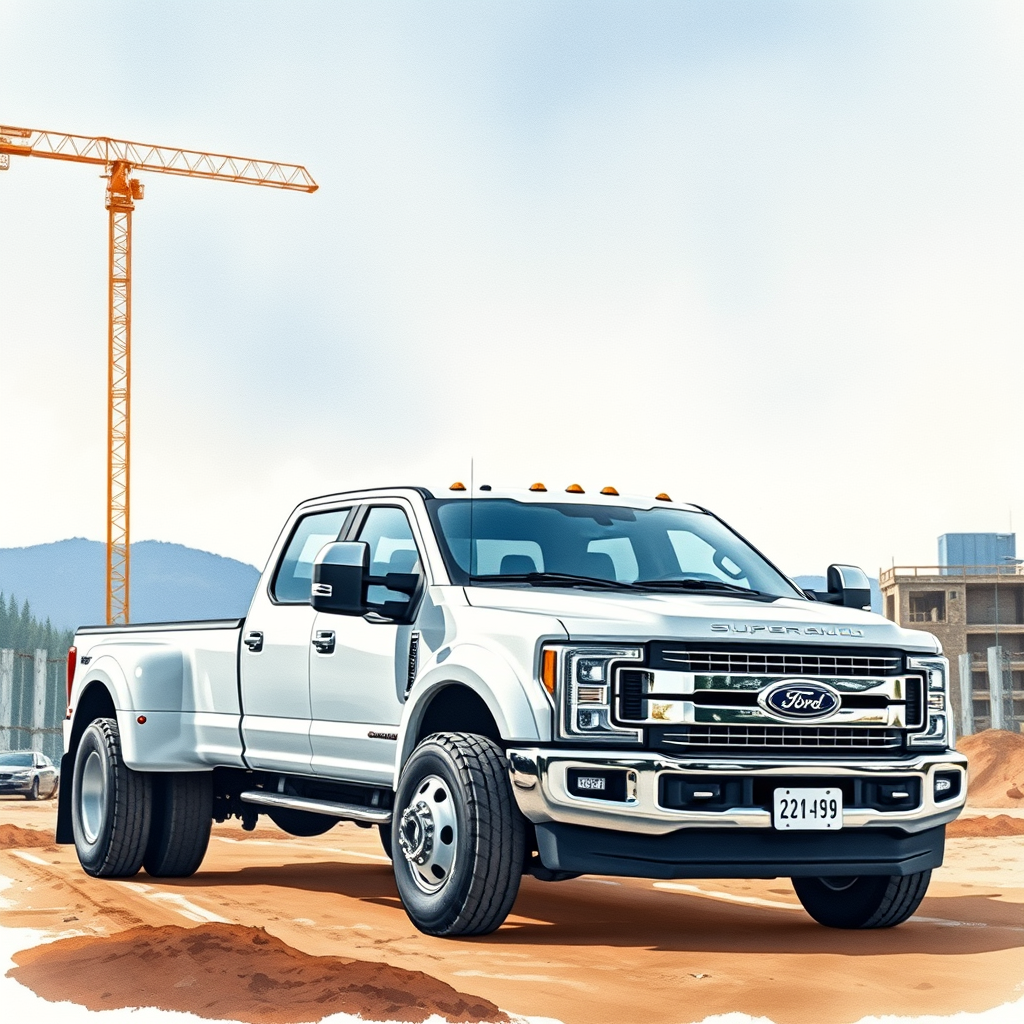
A: Certainly. The Section 179 tax deduction has long been a valuable tool for businesses looking to expense the full cost of qualifying equipment within the tax year it’s purchased. For 2025, a substantial update came with the One Big Beautiful Bill Act, which notably raised the maximum allowable deduction to $2.5 million. This means that if your business acquires eligible equipment, including vehicles like the Ford Super Duty trucks we offer here at Cecil Atkission Ford, you may deduct the entire purchase cost up to that limit on your federal taxes. Additionally, the phase-out threshold—where the deduction begins to decrease—has been increased to $4 million, expanding eligibility to more businesses.
This update is particularly significant for small to mid-sized businesses in and around Hondo, Floresville, and Pearsall, where investments in heavy-duty vehicles and equipment are pivotal. The law also adjusts these figures annually for inflation, so the benefits are designed to keep pace with economic changes. For example, if you’re considering purchasing a new Ford F-150 or one of our heavy-duty trucks from our New Ford Heavy Duty Trucks inventory, this deduction can provide significant tax relief.
Moreover, the law’s scope extends beyond just physical vehicles or machinery; software and other qualifying assets also fall under Section 179, broadening the utility for businesses that rely on both technology and equipment. Our finance experts are happy to assist you in understanding how these deductions can fit into your purchasing plans, whether you’re based in Lakehills or Utopia and considering new fleet additions or upgrades.
Q: What are the specific changes to Section 179 that businesses should be aware of as they plan for 2025 and 2026?
A: The primary changes revolve around the increased deduction limits and expanded eligibility. In 2025, the Section 179 maximum deduction is set at $2.5 million, with a phase-out starting at $4 million of total equipment purchases during the tax year. In 2026, these thresholds further adjust to $2.56 million and $4.09 million respectively, and the deduction applies to businesses spending less than $6.65 million annually on equipment. This expansion is crucial for businesses in our region, including those operating in Boerne and Valdina Farms, where scaling equipment investment is often part of growth strategies.
Another important point is that the deduction now firmly includes both new and used equipment, provided it’s the first use by the taxpayer, which is a welcome clarification for businesses that might be purchasing pre-owned trucks or machinery from our All Pre-Owned Inventory. This inclusivity enhances flexibility for businesses managing budgets while still upgrading their operational assets.
It’s also worth noting that while Section 179 encourages immediate expensing, it works best when coordinated with bonus depreciation rules, which have also seen significant changes. Our dealership can help you navigate these tax benefits seamlessly, especially if you’re exploring financing options through our Finance Center or using tools like our Payment Calculator to understand your cash flow implications.
Q: Many business owners ask, is 100% bonus depreciation coming back in 2025? How does this affect equipment purchases?
A: That’s a vital question. Yes, with the enactment of the One Big Beautiful Bill Act, 100% bonus depreciation has been permanently reinstated for qualified property acquired after January 19, 2025. This means businesses can fully expense the cost of qualifying assets, like machinery, equipment, and vehicles, in the first year they are placed in service. This is a significant tax incentive for companies in Hondo, Lytle, and Batesville that rely on timely investments to maintain competitiveness.
Bonus depreciation applies to tangible property with a recovery period of 20 years or less, which covers most business equipment and vehicles. For example, if you purchase a new Ford F-150 or Super Duty truck from our dealership to support your construction or agricultural business, you could elect to deduct the entire cost in the year of purchase. This accelerated deduction can improve cash flow dramatically, allowing for reinvestment or operational expansion.
It’s important to highlight that while bonus depreciation offers immediate tax relief, it can interact with other tax provisions, including Section 179. IRS guidelines recommend applying Section 179 first, followed by bonus depreciation for any remaining costs. Our finance team at Cecil Atkission Ford can help you structure your vehicle or equipment acquisition strategy to optimize these benefits, whether you’re based near Alamo Ranch, Uvalde, or Pearsall.
Q: Can businesses still take 100% bonus depreciation in 2025, and are there any special IRS considerations they should know about?
A: Absolutely, businesses can take full advantage of 100% bonus depreciation for qualifying assets placed in service after January 19, 2025. The IRS recently clarified these rules in Notice 2026-11, confirming that the bonus depreciation applies to both new and used assets, including equipment, machinery, certain vehicles, and even some leasehold improvements. This update is invaluable for companies in and around Kerrville, Utopia, and Floresville investing in both new and pre-owned assets.
The IRS also allows several elections that can tailor the bonus depreciation to your business needs. For instance, you can elect to claim a reduced bonus depreciation rate (such as 40% or 60%) if you prefer to spread the deduction over multiple years. This flexibility helps businesses manage tax liabilities and income smoothing more effectively. However, these elections are generally irrevocable once made, so consulting with your tax advisor or our finance specialists is prudent before finalizing your strategy.
For farming businesses or those with long-production-period property, special provisions exist that may alter depreciation rates or timing, and those should be reviewed carefully. Our team at Cecil Atkission Ford is ready to assist clients throughout the Hill Country, including Boerne and Lakehills, in understanding these nuances and aligning equipment purchases with tax planning.
Q: Looking ahead, will 100% bonus depreciation still be available in 2026, and what should businesses anticipate?
A: Yes, the current legislation ensures that 100% bonus depreciation remains available in 2026 for qualified property, providing continuity for businesses planning capital expenditures over multiple years. The IRS guidance affirms that the provision applies to new and certain used property with a class life of 20 years or less, maintaining consistency with the 2025 rules.
This ongoing availability is a boon for businesses in the broader San Antonio metropolitan area, including Floresville and Valdina Farms, where equipment turnover and upgrades are routine to stay competitive. It encourages strategic capital budgeting, allowing companies to plan for future vehicle and equipment purchases, such as those from our New Ford Super Duty Trucks selection, with confidence in the associated tax benefits.
However, while the tax code currently supports these deductions, businesses should keep an eye on legislative updates and work with tax professionals to optimize their depreciation strategies over time. We recommend scheduling a consultation with our finance experts or exploring our Service Appointment Scheduler if you’re maintaining vehicles used in your operations.
Q: Many people are curious—will tax refunds be higher in 2025 because of these new laws?
A: Based on current tax provisions under the One Big Beautiful Bill Act, many taxpayers can expect larger refunds when filing their 2025 returns in 2026. This is due to increased standard deductions—now $15,750 for single filers and $31,500 for married couples filing jointly—and enhanced credits like the Child Tax Credit and a new senior deduction of $6,000 for those 65 and older.
These changes mean families and business owners, especially in communities like Pearsall, Batesville, and Uvalde, could see refunds increase by up to $1,000 or more, depending on their individual circumstances. Additionally, deductions for overtime, tips, and auto loan interest on American-made vehicles, such as those purchased here at Cecil Atkission Ford, contribute to reducing taxable income further.
One important factor is that many payroll systems did not immediately adjust withholding for these tax changes, resulting in taxpayers having too much withheld throughout the year and subsequently larger refunds. This creates a unique opportunity for residents and business owners across South Texas to reconsider their tax planning strategies. If you’re interested, we encourage you to connect with our finance team or explore resources like our Ford Owner Benefits to better understand how vehicle ownership and tax benefits intertwine.
Q: How can Cecil Atkission Ford assist customers in Hondo and surrounding areas with maximizing their tax benefits through vehicle and equipment purchases?
A: Our dealership is deeply rooted in the Hill Country community, serving customers from Hondo, Lytle, Boerne, and beyond. We understand that purchasing the right vehicle or equipment is not just about the product but also about how it fits your financial and operational goals. By staying informed on tax laws such as Section 179 and bonus depreciation, we can guide you in selecting vehicles like the Ford F-150 or Super Duty series that qualify for these deductions.
We offer a comprehensive new inventory of Ford trucks—explore our All New Vehicles and specialized New Ford Heavy Duty Trucks—as well as a robust selection of quality pre-owned vehicles available in our All Pre-Owned Inventory. Our finance specialists are available to help you understand how to structure your purchase or lease to maximize tax savings.
Beyond sales, our Parts Department supports your vehicle’s upkeep with genuine Ford parts, ensuring your investment remains reliable and compliant with warranty requirements. Plus, with services like the Service Appointment Scheduler, we make maintenance convenient for busy professionals and families throughout the region. We also provide bilingual support through Hablamos Español en Cecil Atkission Ford Hondo, reflecting our commitment to serving the diverse local community.
Wrapping Up: How to Take Advantage of 2025 Section 179 and Bonus Depreciation Benefits
As the tax landscape evolves with the One Big Beautiful Bill Act’s enhancements to Section 179 and bonus depreciation, Cecil Atkission Ford stands ready to guide customers from Hondo, Kerrville, and surrounding Texas Hill Country communities through these opportunities. Investing in a Ford truck or equipment this year could yield significant tax advantages, improving cash flow and supporting your business or personal needs.
We encourage you to reach out directly at (830) 426-5391 or visit us at 109 19th St, Hondo, TX 78861 to discuss your specific situation with our knowledgeable finance team. Explore our extensive inventory, discover how tax laws can impact your purchase, and benefit from our community-focused service that has made Cecil Atkission Ford a trusted name in Texas Hill Country.
Don’t forget to explore our other helpful resources, such as the 3-Day Love It or Exchange It Program* and the Community Commitment, which underline our dedication to customer satisfaction and local engagement.


